Black
 Brown
 Gray
 Tortoise
 Clear
 Blue
 Red
 Pink
 Gold
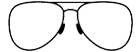 Aviator
 Cateye
 Oval
 Round
 Square
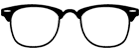 Browline
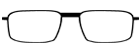 Rectangle
 Black
 Brown
 Gray
 Silver


Are Blue Light Glasses FSA or HSA Eligible?
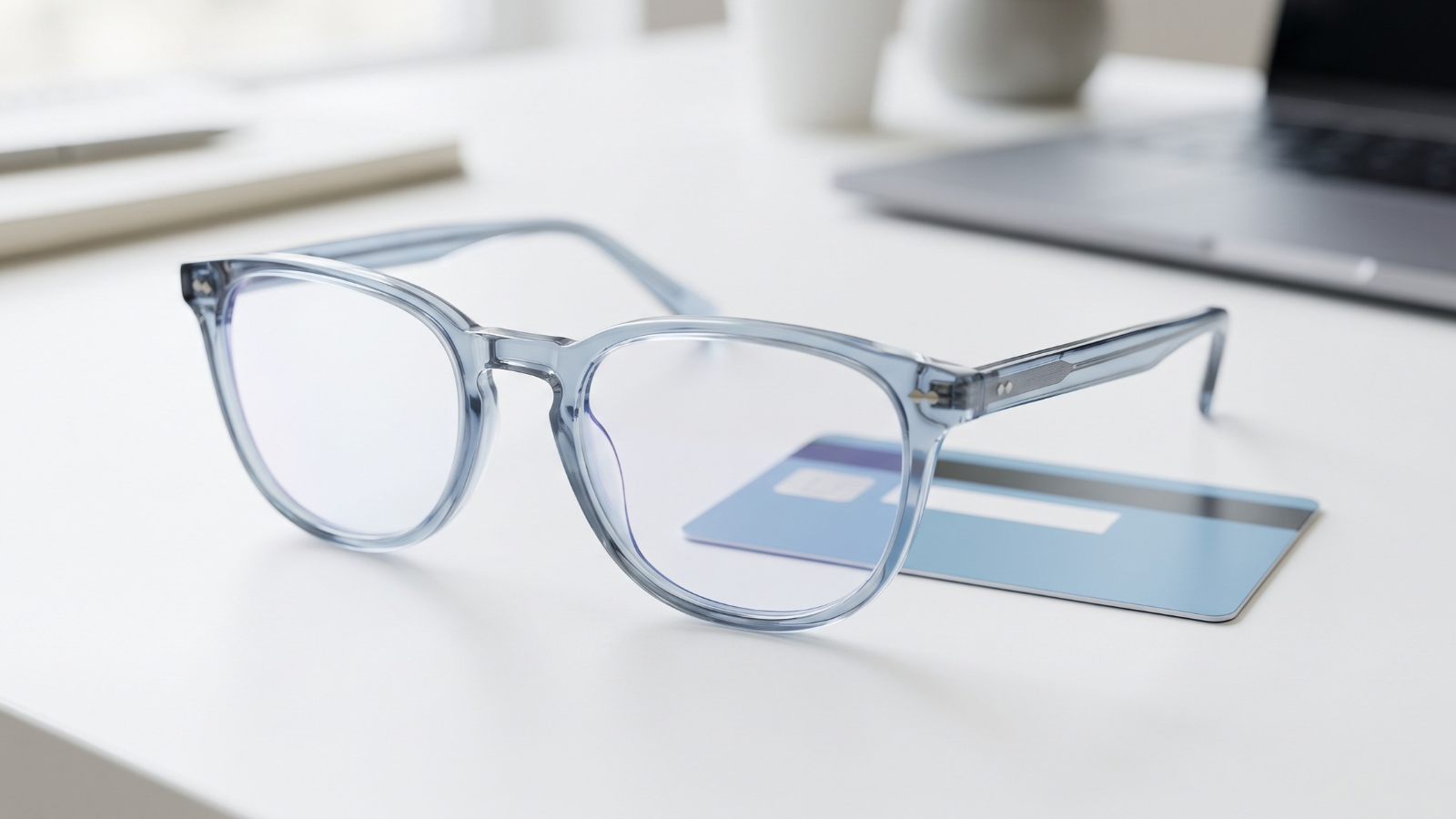
Blue light glasses may or may not be FSA or HSA eligible. It depends on how the glasses are prescribed, their benefits, and the rules of the plan. Standard non-prescription blue light glasses are typically considered a wellness or vision accessory rather than an eligible medical expense. Prescription eyewear should qualify for reimbursement through a Flexible Spending Account (FSA) or Health Savings Account (HSA). Your account may request certain documentation for verification when you make an eyewear purchase.
Which Types of Blue Light Glasses May Qualify?
Prescription and non-prescription blue light glasses are considered different by FSA and HSA reimbursement purposes. Prescription blue light glasses are generally eligible when they are needed to correct a vision problem like a refractive error which may include myopia, hyperopia, astigmatism or presbyopia. Prescription eyeglasses are considered medical expenses under typical FSA and HSA guidelines. The blue light filtering feature can often be added as an addition to your prescription eyewear, although eligibility may depend on how the purchase is documented, coded, and the specific requirements of your plan. Keeping your prescription and itemized receipt is recommended in case documentation is required.
Non-prescription blue light glasses are unlikely to be FSA or HSA approved when they are purchased to reduce exposure to blue light or improve eye comfort. They do not correct a refractive error or medical diagnosis, so they are typically considered a personal or wellness products rather than a medical expense. However, eligibility can vary based on your individual saving plan rules and how the product is classified. If you would like to clarify whether blue light glasses qualify under your plan, check with your FSA or HSA administrator before making a purchase.
Prescription Blue Light Glasses
Prescription glasses that include a blue-light filtering anti-reflective coating may qualify for FSA or HSA reimbursement. Prescription eyeglasses correct vision and are generally considered qualified medical expenses. The blue-light filtering feature does not determine eligibility on its own. If you’re considering prescription blue-light glasses, you can choose lenses that correct your vision while also filtering blue light. Keep your prescription and itemized receipt, and check with your FSA or HSA administrator to confirm eligibility.
Non-Prescription Blue Light Glasses
Adding a blue-light filtering anti-reflective treatment to eyeglasses does not automatically make the coating or the entire purchase FSA or HSA eligible. Eligibility is generally based on whether the eyewear qualifies as a medical expense, and a prescription is needed in the lenses to correct your vision. A prescription pair of glasses that corrects myopia or hyperopia may qualify under applicable FSA or HSA rules, while a blue-light filtering applied to lenses without a prescription may not qualify as a medical expense. Plan rules and reimbursement requirements can vary so you should confirm eligibility with your FSA or HSA plan before purchasing an upgraded coating.
When Might You Need a Letter of Medical Necessity?
With some plans, you may need a letter of medical necessity (LMN) for your eyewear purchase to be covered; however, having a letter does not automatically make them FSA or HSA eligible. For a non-prescription pair to potentially qualify, a healthcare provider would need to determine that the glasses are being used to treat or alleviate a specific medical condition rather than for general eye comfort, screen use, or wellness. The documentation would typically need to explain the medical condition, why the glasses are medically necessary, and how they improve the condition. Whether an FSA or HSA administrator accepts the LMN ultimately depends on the applicable tax rules and the plan administrator's requirements. Also, just because you obtain a letter that says blue-light glasses are "medically necessary" does not establish eligibility if the purchase does not meet the qualified-medical-expense requirements.
How to Use FSA or HSA Funds for Your Purchase
If your eyewear qualifies as an eligible medical expense, there are several payment options available. You can typically pay with a credit card, debit card, or another accepted payment method, and then submit the itemized receipt to your FSA or HSA administrator for reimbursement or if your plan provides an FSA or HSA payment card you can use it directly at checkout. Keep your receipt and any documentation, such as a spectacle prescription or Letter of Medical Necessity, in case your plan requests verification. Eligibility and payment procedures can vary by plan so verify with your FSA or HSA administrator if you are unsure whether a specific purchase qualifies.
Can You Use Your Benefits Card When Buying Online?
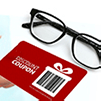
Yes, you can use your FSA/HAS benefits card when buying online just as you can in a store. When you checkout, enter the information on your benefits card as you would a credit or debit card. Before ordering, check that the retailer accepts your type of benefits card, confirm your eyewear purchase is eligible, and determine whether a blue-light anti-reflective coating may be excluded from reimbursement. Always keep your itemized receipt, prescription, and any other required documentation in case your benefits administrator was to request verification. If your benefits card is declined, you may still be able to pay with another method and submit the eligible expense for reimbursement, depending on your plan's rules.
What Documentation Should You Keep?
If you buy blue-light glasses online using FSA or HSA funds, you should keep documentation that shows an itemized list of what you purchased, how much you paid, and why the expense qualifies. You may not need to submit the information immediately, but your FSA or HSA administrator may request documentation later.
Documentation to keep
- Itemized receipt- Keep the retailer’s receipt with the date of purchase, description of the eyewear, and amount paid.
- Order details or invoice- Save a copy of the order or invoice.
- Prescription- If the blue-light glasses are prescription lenses, keep the current prescription from your eye-care provider.
- Letter of Medical Necessity- If your administrator requires a letter, keep the letter from your healthcare provider.
- Proof of payment- If you paid with a personal credit/debit card and plan to request reimbursement, keep the document showing the payment.
- FSA/HSA reimbursement records- If you submit the purchase for reimbursement, keep the claim confirmation and reimbursement documentation.
What If You Already Paid Out of Pocket?
If you already paid for your glasses out of pocket, you may be able to request reimbursement from your FSA or HSA rather than paying with your benefits card at checkout. You should submit a claim through your FSA or HSA administrator and include an itemized receipt showing the date, description of the purchase, and amount paid. You may also be asked to provide supporting documentation like a prescription or Letter of Medical Necessity, depending on the expense and your plan's requirements. Once the claim is approved, reimbursement can be deposited into your designated bank account or issued. Keep copies of your receipts and claim documentation for your records in case the administrator requests it.
The Bottom Line
Blue-light glasses are not automatically eligible for FSA or HSA funds just because they filter blue light. Prescription eyewear may qualify when it meets certain medical-expense requirements; however, non-prescription blue-light glasses generally do not qualify if only used for screen use or eye comfort. Before purchasing, check your plan's rules, confirm the retailer accepts your benefits card, and keep any required documentation in case you are asked by your plan’s administrator for verification. When in doubt, verify the eligibility before using your benefits.