Black
Black Brown
Brown Gray
Gray Tortoise
 Clear
Clear Blue
Blue  Red
Red Pink
Pink Gold
Gold Aviator
 Cateye
 Oval
Oval Round
Round Square
 Browline
 Rectangle


 Black
Black Brown
Brown Gray
Gray Silver




How to Clean Blue Light Glasses the Right Way
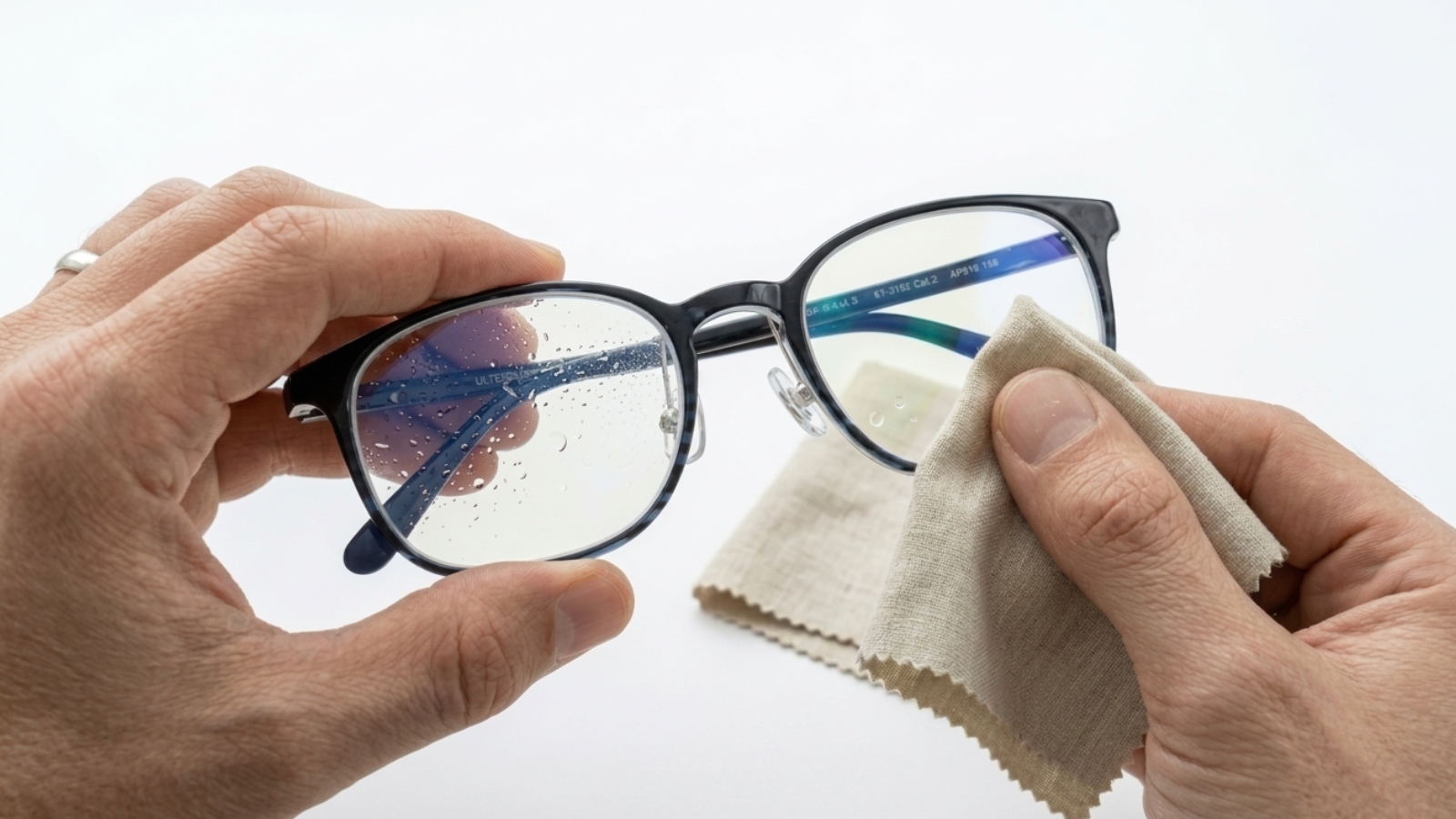
Blue light glasses are an important and valuable investment for your daily visual demands and eye comfort. It’s important to clean your blue light lenses correctly to preserve the condition of the lenses and ensure you see as sharply and clearly as possible!
Why Clean Blue Light Glasses Matter More Than You Think
With daily wear, dirt, oil, and bacteria may build up on your blue light glasses. Dirty lenses can lead to eye strain and reduced clarity. Dirt and microscopic debris from the environment, natural oils from your skin, and bacteria that live on your skin deposit on your frame and lenses. Even if you're careful not to touch the lenses, this matter can create a thin film that can significantly affect optical clarity. When your lenses aren’t cleaned properly or regularly, smudges appear more pronounced. Your lenses should always be cleaned with the right cleaning agents to avoid scratching your lenses or damaging the blue light filtering anti-reflective coating layers.
Dirty glasses can reflect poorly on your physical appearance and professionalism; they may also impact eye strain and reduce visual clarity. Smudges and grimy substances can distort the light rays that pass through the lenses, which can make focusing more difficult, resulting in discomfort, headaches, and eye fatigue. If you keep your lenses clean, you will experience improved optical clarity and consistent, comfortable vision throughout the day. Cleaning your frames routinely is an important hygiene practice to remove the bacteria and oils that irritate the skin around the nose and ears. Utilizing proper cleaning techniques protects your eye health and extends the lifespan of your lenses.
What Makes Blue Light Glasses Different From Regular Glasses
Blue light glasses are eyewear with specialized blue light anti-reflective lenses that filter out a portion of high-energy blue light emitted by digital screens like phones, computers, and TVs. Regular glasses have prescription lenses that correct one’s vision and may be ordered with an anti-reflective coating or other options like photochromatic lenses. Blue light glasses can be ordered with or without a prescription. Blue light glasses have an anti-reflective coating that reduces glare and limits certain wavelengths of blue light from reaching the eye. This coating may reduce digital eye strain for those who spend long hours in front of screens for work or play. Blue light anti-reflective coatings also improve clarity without significantly altering color perception, though some may have a faint yellow tint. At Overnight Glasses, our blue-light filtering anti-reflective treatment is called Blue Armor™ and can be ordered with any frame/lens combination. See our blue light prescription glasses for additional benefits.
The Golden Rule: Always Clean Before You Wipe
It’s important to remember the golden rule of eyeglass cleaning. Always clean your lenses before you wipe them off. You should rinse your glasses under lukewarm water with soap, or use an approved lens-cleaning spray. Once the surface is clean, you can safely wipe the lenses with a microfiber cloth.
Why Dry Wiping Causes Scratches
Never rub your lenses while they are dry because tiny particles like dirt or grit on the surface can cause fine scratches if they are wiped across the lens. Rinse your glasses under lukewarm water or use an approved lens cleaning spray to remove debris first.
How Dust and Debris Damage Lens Coatings
Fine particles of dust and debris on the lens surface can cause scratches and damage lens coatings. These scratches can impair your vision by making the lenses appear cloudy or dull.
Essential Tools You Need to Clean Blue Light Glasses Properly
To properly clean your blue-light glasses, you should use the right products and follow the best techniques. If not, you may end up scratching or permanently damaging your lenses and frame.
Microfiber Cloth — Your Best Friend
Purchase a microfiber cloth for both daily and weekly cleaning. A microfiber cloth is a soft cleaning cloth made from extremely fine synthetic fibers, usually a polyester-nylon blend. which can gently lift and trap dust, oil, and smudges without scratching eyeglass lenses. Unlike paper towels or clothing, a microfiber cloth doesn’t leave lint on the lenses.
Lens Cleaning Spray or Mild Dish Soap
Only use eyeglass-approved lens cleaning sprays or mild dish soap to clean your lenses. Never use any products with alcohol or bleach.
Lukewarm Water — Not Hot
Only use lukewarm water on your glasses. Hot water can damage the specialized lens coatings, causing them to crackle or even warp your eyeglass frame.
Clean, Lint-Free Towel
Dry your eyeglasses with a clean, lint-free towel to protect your lenses and avoid lint deposits. Never use a tissue or item of clothing to dry your blue light glasses.
Step-by-Step Guide: How to Clean Blue Light Glasses Safely
Step 1 — Wash Your Hands First
Always wash your hands before handling your glasses to avoid transferring bacteria and debris to the lenses and frame.
Step 2 — Rinse Lenses Under Lukewarm Water
Run your lenses under lukewarm water before applying any cleaner. Never use hot water, as it can damage lens coatings.
Step 3 — Apply a Small Drop of Gentle Soap
Add a small drop of gentle soap or bleach-free dish detergent to the front and back of each lens.
Step 4 — Gently Rub With Fingertips
Work the soap across the lenses, nose pads, and frame to lift dust, oil, and debris.
Step 5 — Rinse Thoroughly
Wash off all soap residue with lukewarm water.
Step 6 — Dry With a Microfiber Cloth
Pat the eyewear dry with a clean microfiber cloth, then hang it up to air-dry completely.
Pro Tip: Don't Skip the Nose Pads and Hinges
These spots collect the most buildup. A quick soap-and-water clean here prevents residue and skin irritation.
Quick Cleaning Method for Busy Days
Utilize the spray-and-wipe method on busy days. It only adds 30-seconds to your daily routine.
- Apply a few sprays of eyeglass cleaner on both sides of your lenses to loosen the dirt and oils from the surface
- Gently wipe the lenses with a clean microfiber cloth in a circular motion until they are clear and dry
- Use daily to protect your anti-reflective coating and maintain clear vision
Deep Cleaning Routine for Very Dirty Glasses
A more thorough deep cleaning may be necessary for very dirty glasses.
- Perform a weekly deep cleaning on your lenses and frame. Use a microfiber cloth, soap & water to clean off the build-up.
- You may want to deep clean your lenses after excessive sweat, sunscreen use, or dust exposure.
Common Mistakes That Ruin Blue Light Glasses
Many eyeglass wearers make common mistakes that can damage their blue light lenses, including using the wrong cleaning techniques or materials.
Cleaning Lenses While Dry
Always add water or a lens cleaner onto the lens surface. A dry lens surface may lead to scratched lenses.
Using Hot Water
Only use lukewarm water. Hot water may craze or damage the surfaces of the lenses. Extreme heat can also warp a plastic frame, so it no longer fits correctly.
Pressing Too Hard While Cleaning
After applying a lens cleaner, avoid pressing too hard on the lenses or frame. Only use a light, circular motion to clean the lenses and gently apply pressure to the temples and bridge of the frame.
Using the Same Dirty Cloth for Months
A microfiber cloth should be cleaned frequently. They can be handwashed with mild, fragrance-free detergents or in a washing machine on the gentle cycle. Hang them up to dry.
How Often Should You Clean Blue Light Glasses
How often you clean your lenses may vary from person to person depending on their wear time, personal preferences, and daily environment. Those who wear their glasses all day, every day will need to clean them more frequently than someone who wears them just for computer work. Someone who works outdoors or in a dusty environment may have to clean their glasses more often than someone who works indoors. Each of us has a different skin type; those with oilier skin or who break out easily may want to clean their glasses more often. Adding eyewear cleaning to your daily and weekly routine will ensure your lenses stay clear and your anti-reflective coatings are protected.
Daily Cleaning Routine
Cleaning your lenses daily with a microfiber cloth can quickly remove smudges, dust, and oils from the regular use of your lenses. You may want to keep a recommended lens cleaner at your desk or in your car for easy use.
Weekly Deep Cleaning Schedule
Each week, you may use lukewarm water, gentle soap, and a microfiber cloth to clean the residue around the frames and nose pads and thoroughly clean the lenses. Avoid harsh household cleaners with bleach or alcohol.
Signs Your Glasses Need Cleaning Immediately
If you notice streaks, smears, a reduction in clarity, increased glare, or discomfort while viewing your screen, you should clean your lenses immediately. If you are in an environment with more dust or during pollen season, your glasses may require frequent, immediate cleaning.
Conclusion
Keeping your blue light glasses clean is important for clear vision and long-term wear. Smudges, dust, and oil can reduce your overall visual clarity and eye comfort. Routinely cleaning your lenses may reduce discomfort caused by distorted or blurry vision and protect the lens coatings. By taking a little time each day to care for your glasses, you ensure optimal visual clarity and extend the lifespan of your investment.