Black
Black Brown
Brown Gray
Gray Tortoise
 Clear
Clear Blue
Blue  Red
Red Pink
Pink Gold
Gold Aviator
 Cateye
 Oval
Oval Round
Round Square
 Browline
 Rectangle


 Black
Black Brown
Brown Gray
Gray Silver




How to take care of your prescription glasses?
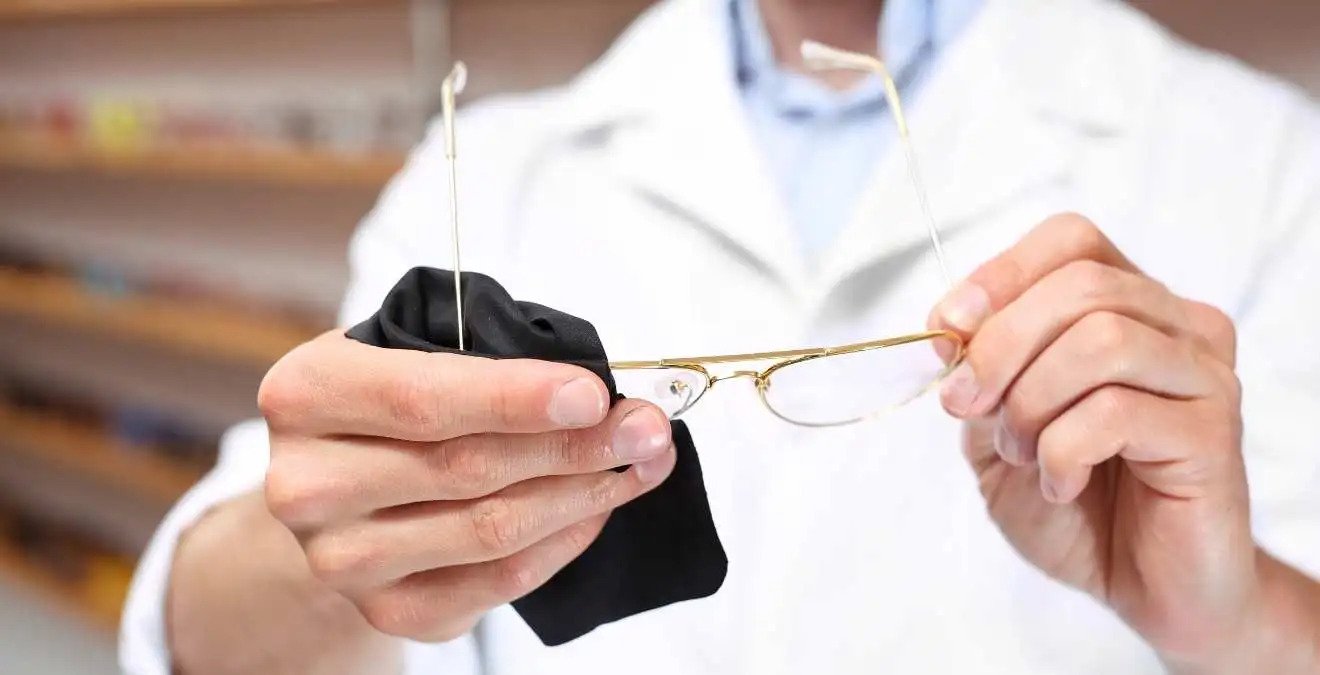
Caring for your prescription glasses is very important because it helps extend their lifespan, provides the clearest vision, and protects an expensive investment. Glasses are not just a fashion accessory, but they are your way of seeing the world. They impact your daily life and it’s important to care for them properly for the best visual clarity.
The way you clean, store, and care for your glasses will make a big difference in how long they last and how they perform. Simple habits can prevent scratches and damage. With proper care, your glasses will stay comfortable, clear, and fitting well. We will provide you with some tips on how to clean, store, and care for your glasses so they will provide you with the best clarity of vision.
What’s the Proper Way to Clean Your Glasses?
Most eyeglass wearers are unaware of the proper techniques to clean their glasses. Knowing how to clean prescription glasses means you’ll not only see clearly, but your lenses may hold up better. High-quality prescription lenses have several coatings to keep your eyes healthy and increase the lifespan of your lenses. Most lenses are made with a scratch-resistant coating to help protect your glasses from daily wear and tear. They often have additional coatings to protect your eyes from harmful UV light and to reduce glare when driving at night.
Cleaning your glasses correctly protects the coatings on your lenses including the anti-reflective, light-adaptive or blue-light filters. Harsh chemicals or abrasive materials can wear down or damage these coatings over time. Using a gentle product and a soft microfiber cloth will preserve the quality of the coating.
Your glasses may require one of two types of cleaning methods. First, an everyday cleaning can get rid of smudges and dust, and a deep cleaning can wipe away oily residue, remove dirt in hard-to-reach places like the lens/frame junctions.
For general, everyday cleaning, follow these steps:
- Wash your hands before you clean your lenses.
- Choose a spray-on liquid cleaner specifically for prescription glasses. Only use a soft, highly absorbent microfiber cloth to wipe away dirt and oily smudges.
- Spray your lenses with your cleaning solution.
- Use your microfiber cloth to gently clean your lenses using small, circular motions.
- Pay close attention to the edges of your lenses, and look for smudges and fingerprints.
- Hold your lenses up to the light to confirm their cleanliness. Let them dry completely before wearing.
For a deep cleaning, follow these instructions:
- Wash your hands first.
- Create a solution of mild soap and lukewarm water. Soak your frames for one-to-three minutes.
- Use a cotton ball, Q-Tip, or similar tool to gently clean along the temples with detailed attention to where they rest on the ears, the bridge of your nose, and along where they would touch your face. Oil build-up and dirt is common in the areas where the glasses touch your face.
- Observe the screws and joints. Be sure not to unscrew anything, but open and close the temples to clean the entire hinge area.
- Clean the junction of the lenses and frame. Small particles of dirt or dust can often be found in this area.
- Let your glasses thoroughly air dry in a clean, safe place.
Always follow the manufacturers’ instructions when it comes to cleaning lenses and frames. Different frame materials may require specific care. Glass cleaners should always be avoided because the harsh ingredients can break down the lens coatings or damage the frame.
Do not use your saliva on your lenses to clean them. This may cause bacteria to transfer from your mouth to your lenses, which could be transferred to your eyes. Always, avoid abrasive tools and fabrics like a t-shirt or jeans to clean your glasses. They may cause scratches or wear down the protective lens coatings.
Caring for Eyeglass Frames
Caring for your eyeglass frame is also important for improved comfort, durability, and the proper fit. Handle your glasses with both hands when putting them on or taking them off to prevent bending or misaligning the frames. Repeatedly taking your glasses off with one hand can damage the hinge on one side. Routinely clean your frames with a microfiber cloth and mild soap and avoid harsh cleaning agents that can damage the material or finish. Always, store your glasses in a protective case when you are not wearing them to prevent accidental drops, scratches, or warping. Check the screws and hinges periodically and tighten them as needed to keep the frames sturdy, fitting correctly, and in proper alignment.
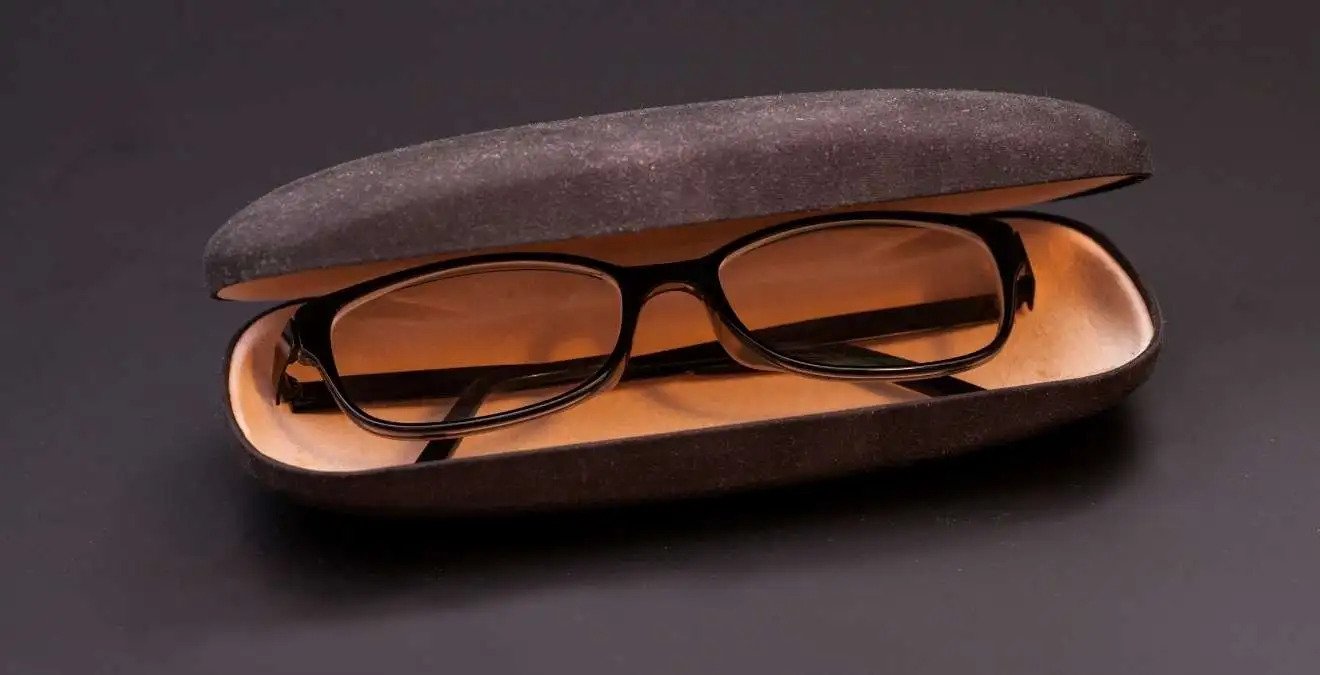
Safely Store Your Glasses
Safely storing your glasses in a hard, protective case is the best way to keep your frames and prescription lenses in perfect shape. A hard case is always preferred over a soft pouch or sitting the lenses down on a hard surface. Always carry a case with you and purchase an extra for your car and bag for travel. Avoid leaving your glasses in a hot car. Excessive heat or sunlight can warp the frame and prematurely age the lens coatings. Your glasses should always be kept in a cool, dry place whenever possible.
What to Do if Your Eyeglasses are Scratched?
The best strategy is to prevent scratches. Unfortunately, scratches happen even when you’re careful. Scratches cannot be buffed out of the lens even with a good cleaning. If the scratch remains after you’ve carefully cleaned both sides of the lens, you’ll need to buy replacement prescription lenses. Scratches in your line of sight can be particularly annoying because they affect your vision and can be unsafe. Always have a backup pair of eyeglasses available and it’s beneficial to invest in an anti-scratch lens coating. It’s a long-term investment since daily wear often results in scratches.
Establish Good Habits for Wearing Your Glasses
By establishing good habits and properly caring for your glasses, you can maintain clear vision, comfort, and improve the life of your eyewear. Always put on and take off your glasses with both hands to avoid bending or breaking the frames. Avoid placing them face-down on surfaces, which can scratch the lenses. Never wear them on top of your head because the frames can stretch and will no longer fit securely. Keep your glasses clean by wiping them properly with a microfiber cloth regularly and storing them in a protective case when not in use.
Final Thoughts
Always store your glasses properly, wash them carefully, and handle your eyewear with care. Use the correct care products and clean routinely. Knowing the proper care and cleaning techniques can significantly extend the life of your eyewear. Contact our experts at Overnight Glasses for your next pair of glasses. We always use high-quality lenses and frames for long-term wear and durability. We ensure your glasses are delivered fast and accurately.
Frequently Asked Questions
Clean your glasses daily or whenever they appear smudged. Even if you are careful to not touch your lenses, environmental debris like pollen or dust can still stick to the lens surface. Use a microfiber cloth and lens cleaning solution or mild soap and water to clean. Avoid using any cleaners with chemicals because they may affect the anti-reflective coating on the lens. Ammonia, bleach, and vinegar can damage lens coatings. Avoid using paper towels, tissues, or clothing as these can scratch the lenses. Daily cleaning can prevent the buildup of debris that can affect your lens clarity.
See our guide on how to make simple adjustments. For more complicated ones, you may need to see a professional.
Yes, mild dish soap and lukewarm water can be used to safely clean lenses.
The biggest mistakes eyeglass wearers make are cleaning lenses with rough materials like paper towels, leaving glasses in a hot car, and wearing them on their heads. Many use household cleaners with abrasive ingredients instead of soap and water, which can strip away protective coatings and damage frames. Pets also eat glasses. If you are not wearing your glasses, you should always have them in a protective case.
Yes, you can tighten loose screws using a small eyeglass repair kit, but it may be best to reach out to the location where you purchased your glasses for help. If you do tighten them yourself, be sure to cover your lenses with a protective cloth so if you slip, you will not scratch the lenses. Always remove your glasses with both hands, this prevents extra force on just one hinge, which may cause wear and tear on the temple, hinge, and screw on one side of the frame.
Always store your glasses in a hard protective case when not in use. Keep them in a cool, dry place away from direct sunlight and heat. Never leave your glasses in the car because extreme heat can warp the frame, so it no longer fits correctly or even damage the lenses. Don’t sit your glasses lens-down on hard surfaces or put them in your pockets or purse without protection
Yes, a hot car, oven, or hair dryer can warp frames causing them to expand and no longer fit correctly and/or damage lens coatings. High index materials are especially known to craze in hot environments. Cold conditions can also make plastic frames brittle.
You can try an anti-fog spray or wipes made to reduce fogging. Some anti-reflective coatings may have a built-in anti-fog coating, which may reduce fogging but is unlikely to eliminate it.
Not necessarily, although some frames and lenses are of higher quality. The lifespan depends on the materials you select for your lenses and how you care for them. However, higher-quality frames and lenses may offer better durability and scratch-resistant coatings.
You should consider replacing your lenses every 1-2 years with an updated prescription to ensure you are seeing your best. Consider replacing your glasses when your prescription changes and you aren’t seeing as well, lenses become severely scratched, or the frames are damaged. Even with perfect care, glasses need to be replaced every 2-3 years as coatings can wear over time.